AI · Medical Imaging · NLP · Paris
Final-year Master's student in Machine Learning, NLP & Data Science at Sorbonne Université. At LIP6 (CNRS) I showed that reported accuracy in colorectal-polyp classification is largely a dataset artifact. I care about models that survive a change of source.
Available for a 6-month research internship from March 2027
Chapter 01 · The Finding
I'm a final-year Master's student in Machine Learning, NLP & Data Science (MIND) at Sorbonne Université, Paris, with a background in CPGE mathematics and computer science from Algeria.
My research at LIP6 (CNRS) is on medical image analysis: classifying colorectal polyps from endoscopic images, supervised by Garance Lucas under Bertrand Granado. What I found there shapes how I work — a model that scores well on a held-out slice of one dataset may have learned the dataset rather than the disease. I care about results that survive a change of source, and about reporting per-stratum instead of per-headline.
Beyond research, I build software — from CakePHP web applications to Flutter mobile apps and containerised deployments on cloud infrastructure. I like elegant solutions to hard problems, whatever the stack.
Chapter 02 · The Journey
Chapter 03 · The Work
The evidence behind the story — research first, engineering next to it.
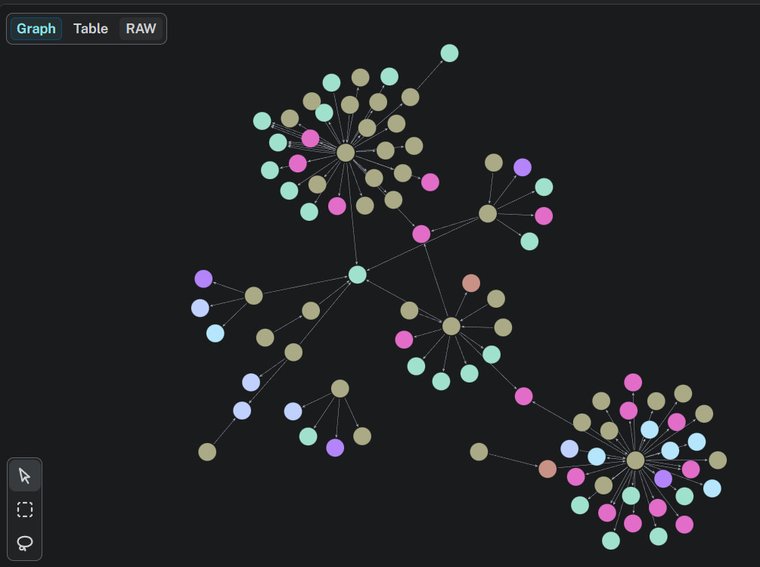
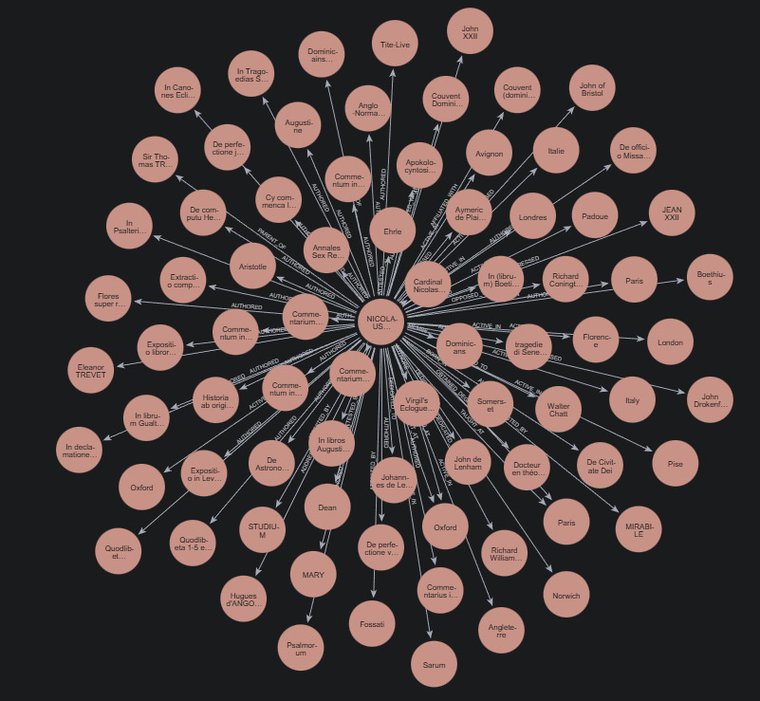
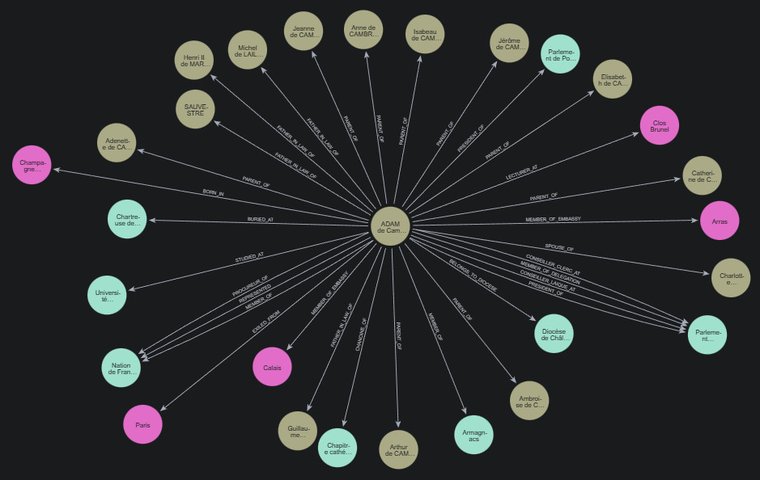
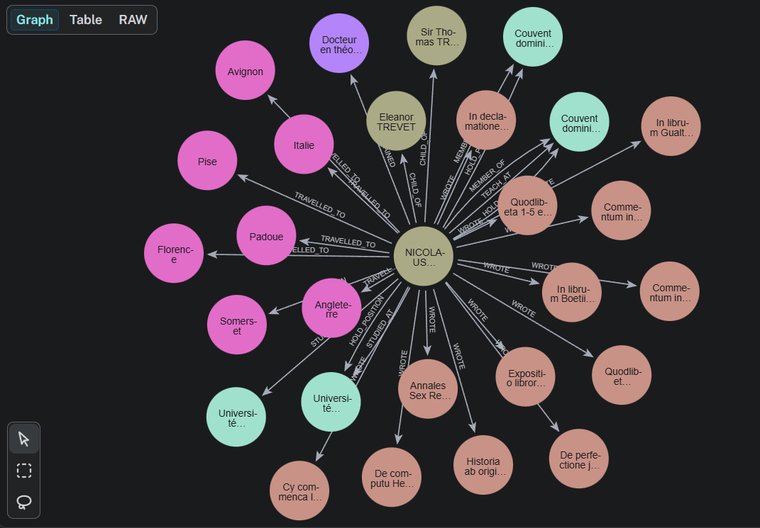
An LLM-based pipeline that extracts structured knowledge graphs from unstructured
historical text — entities (people, works, institutions, places) and typed relations
(authored, taught at, travelled to, member of) — applied to the Studium Parisiense
dataset on medieval Parisian scholars. Powered by gemma-3-27b-it served
with vLLM on A100 GPUs, with an entity-deduplication stage and interactive graph
exploration over the extracted network.
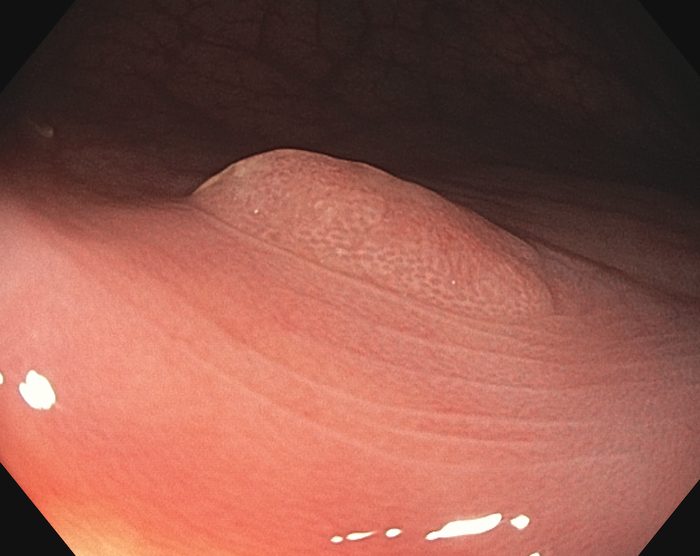
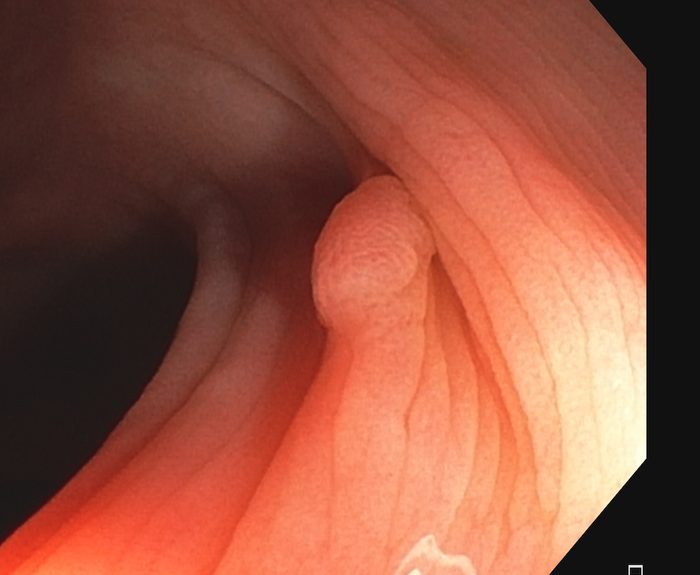
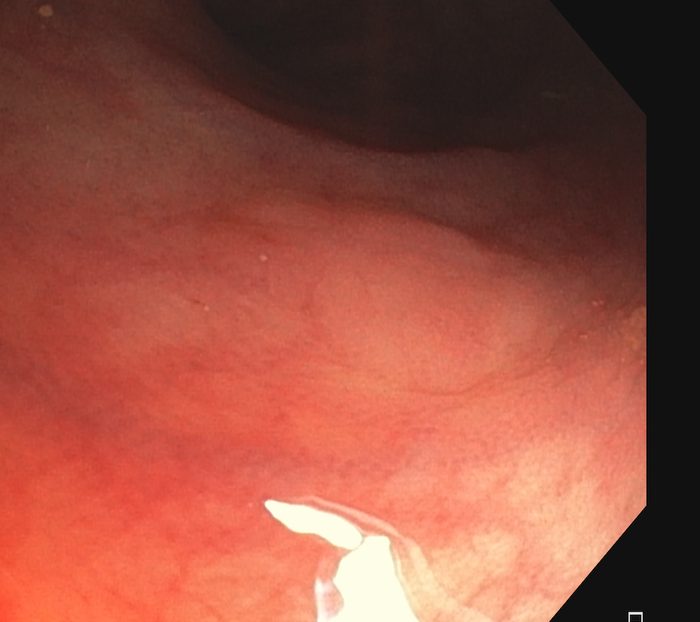
Built a 93,156-image, lesion-annotated benchmark from the 8 of 23 public colonoscopy datasets that actually label polyp class — after removing 16,432 duplicate files (15% of everything on disk) that would have put the same physical lesion on both sides of every split. Designed lesion-disjoint splits and a leave-one-dataset-out protocol across three frozen backbones on a SLURM cluster. Three-class macro F1 reaches 0.739 in-distribution — but balanced accuracy above chance falls 81% once the test source is held out, and recall on the hardest class collapses to near zero. The models were substantially recognising which dataset an image came from, not the pathology.
NLP evaluation framework measuring IR system robustness under natural query reformulations. Key finding: ~−20% retrieval performance loss under variation on the ANTIQUE dataset — exposing fragility in standard information retrieval benchmarks.
Set up a local LLM inference node on a university HPC cluster using vLLM 0.8.5 with Qwen2.5-32B-Instruct (GPTQ Int4). Resolved a chain of non-root environment constraints, proxy issues, and API format bridging between completion backends.
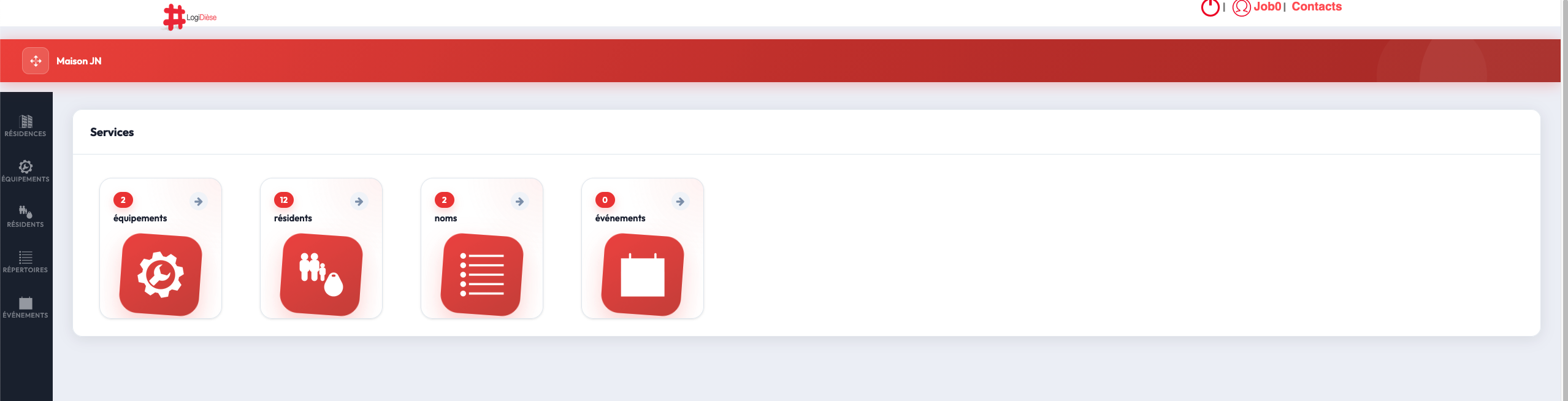
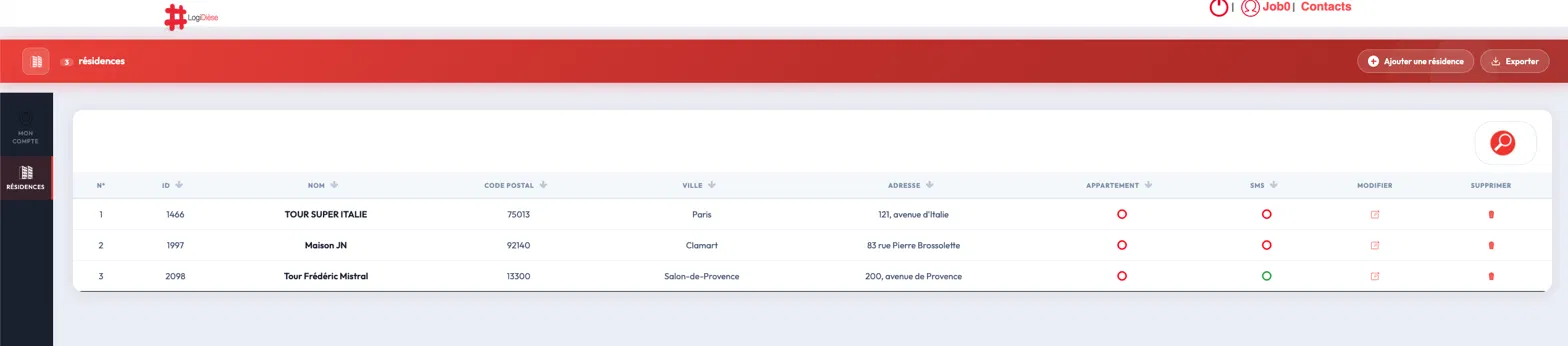
Modernised a legacy CakePHP residential management platform for Diese Telecom. Rebuilt the admin views with a contemporary dashboard aesthetic (residences, equipment, residents, events), added SAV status tracking, resolved longstanding display bugs, and containerised deployment on Azure.
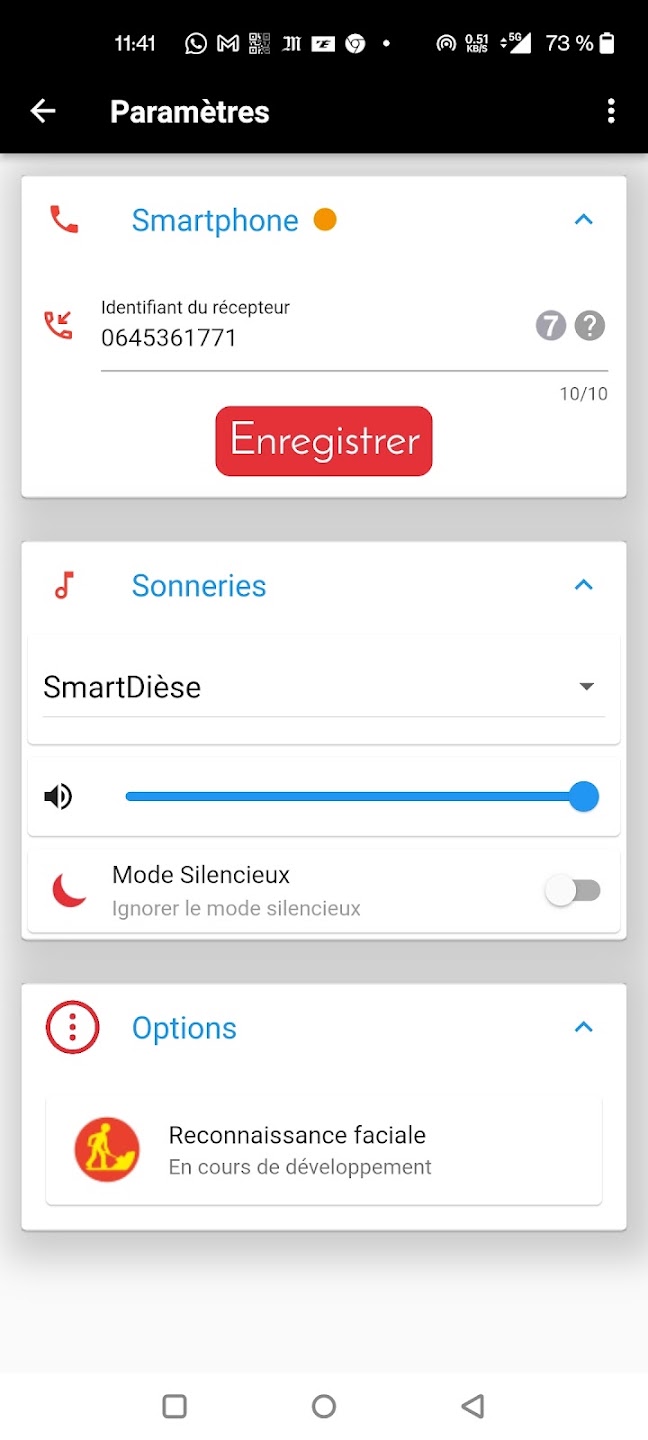
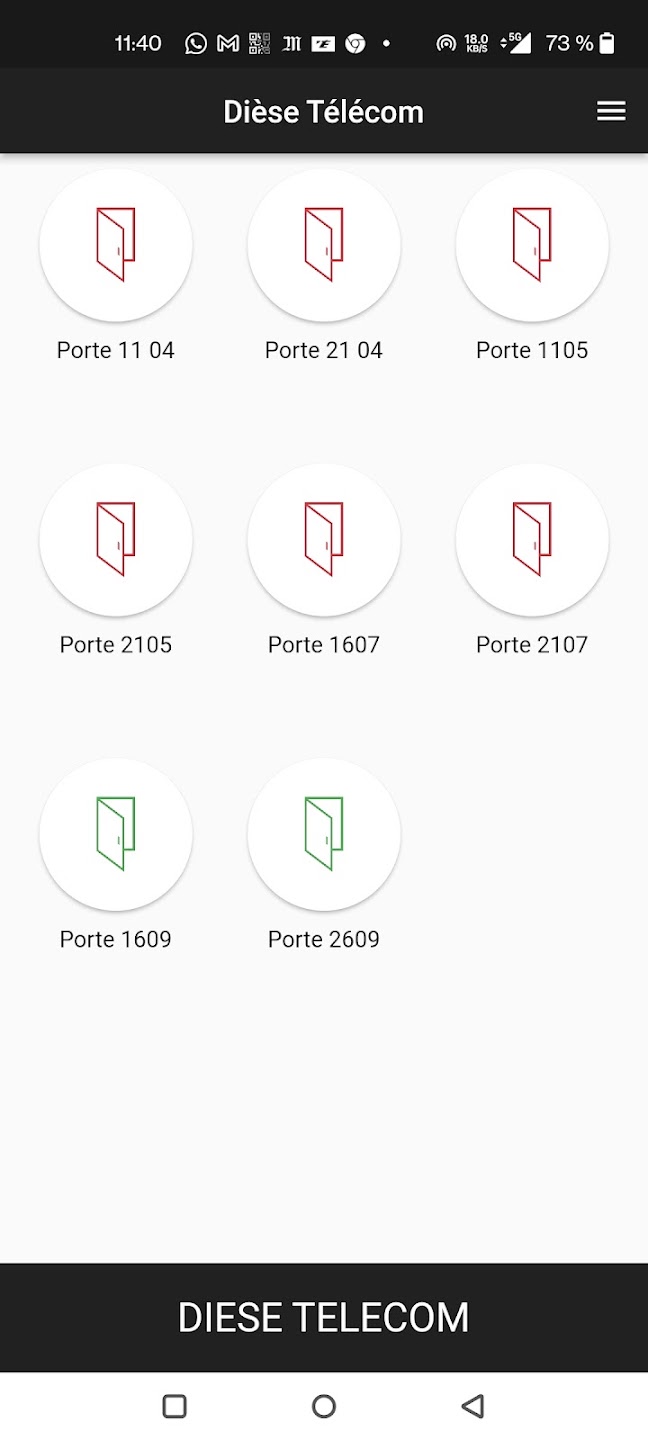
Flutter mobile app for Diese Telecom pairing residential intercoms with residents'
smartphones — remote door release over VoIP, call-forwarding configuration, and custom
ringtones. Upgraded for Dart 3.8.0 and implemented native iOS incoming-call handling
with PushKit / CallKit (flutter_callkit_incoming) for lock-screen answer support.
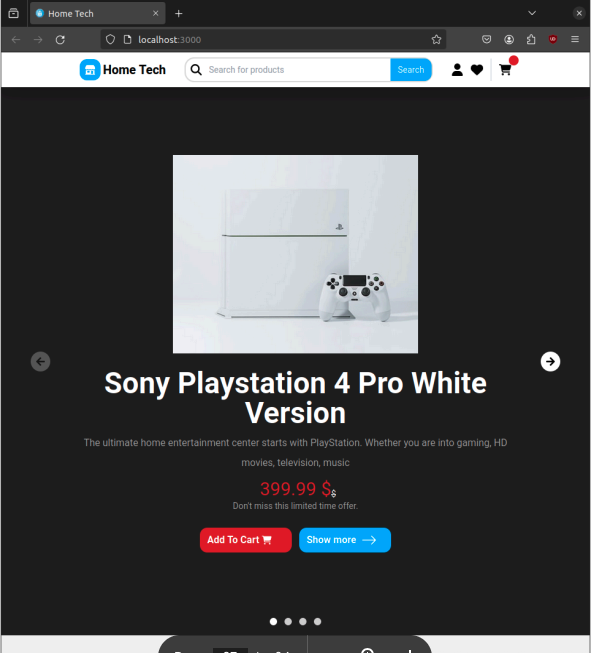
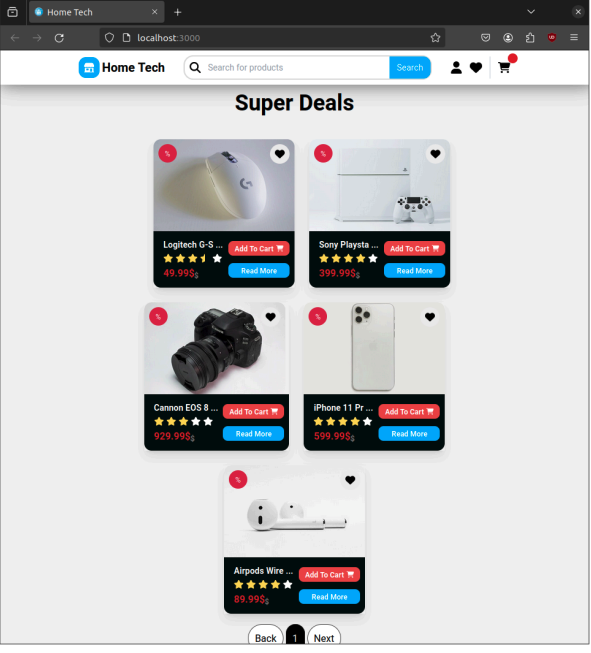
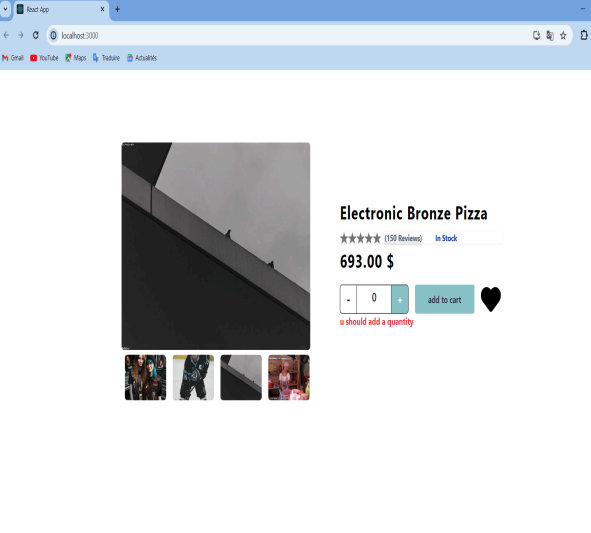
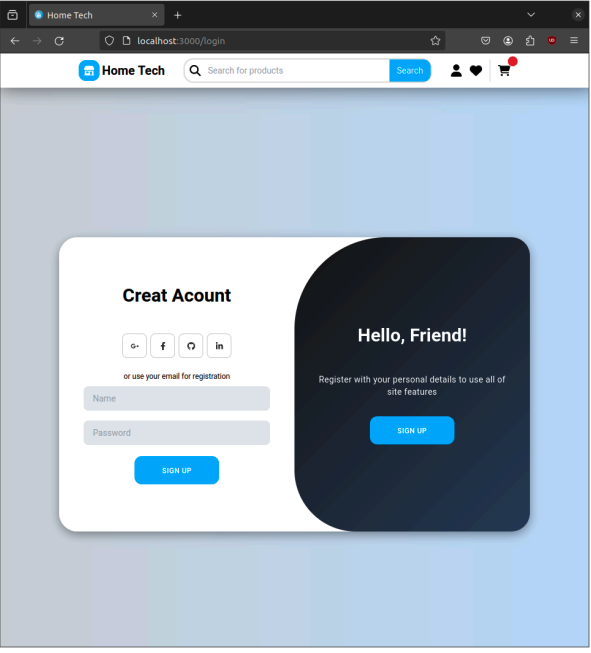
A React single-page e-commerce storefront: homepage carousel, product catalogue with filtering and ratings, a product detail view with quantity selector and thumbnail gallery, and a full auth flow (sign up, login, animated panel switch) built in the style of a real electronics retailer.
The Stack
Climax · Contact
I'm looking for a 6-month final-year research internship starting March 2027 — medical imaging, NLP and LLMs, or anywhere evaluation and generalisation actually matter. Open to positions abroad.